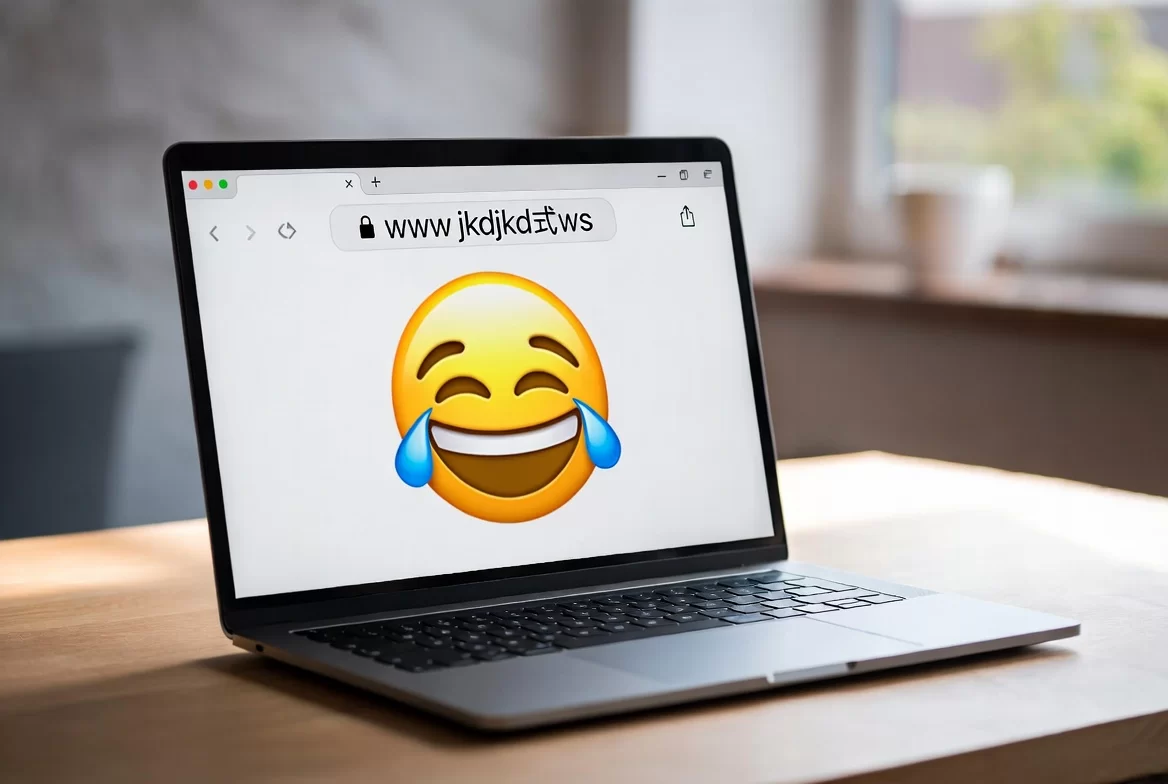
In a world where attention spans are short and visuals dominate, emoji domains sound like pure genius. Imagine typing ❤️.ws [Western Samoa] or 🌐.to and landing on a brand’s website. Eye-catching, memorable, and instantly emotional — what’s not to love?
But are emoji domains actually practical in 2026, or are they just a fun gimmick? In this article, we’ll break down everything you need to know: how they work, their pros and cons, real-world examples, and whether they’re worth your time and money.
What Are Emoji Domains?
An emoji domain is a web address that contains one or more emojis instead of (or in addition to) regular letters. Examples include:
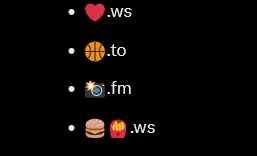
They belong to the broader category of Internationalized Domain Names (IDNs), which support non-Latin characters. However, because the internet’s Domain Name System (DNS) only understands ASCII characters (A-Z, 0-9, and hyphens), emojis are converted behind the scenes using Punycode — a special encoding that turns them into strings starting with xn--
example:
an URL like i❤️you.ws becomes something like xn--i-7iq.ws technically. This conversion allows emoji domains to work on the modern web.
A Quick History
Emoji domains have been around longer than most people realize. The first ones appeared as early as 2001, but they gained real attention in 2011 when 💩
Major brands jumped in during the 2010s:
- Coca-Cola ran campaigns with smiley-face emoji domains.
- Mailchimp used 💌.ws
- Budweiser played with beer emojis.
Today, thousands of emoji domains are registered, especially under .ws (Western Samoa), which remains one of the most popular and reliable options.
Pros: Why Emoji Domains Are Cool
- Instant Visual Impact — A single emoji can communicate more than words. Perfect for creative brands, artists, restaurants, or niche communities.
- Memorability — People remember pictures better than text. An emoji domain stands out in social media posts, QR codes, and advertisements.
- Marketing & Campaigns — Excellent for limited-time promotions, product launches, or viral challenges. They’re fun to share.
- Emotional Connection — Emojis tap directly into feelings — love, excitement, food cravings, etc.
- Novelty Factor — In a crowded online space, they help small businesses and personal brands differentiate themselves.
Cons: The Practical Limitations
Despite the appeal, emoji domains come with significant drawbacks:
- Limited TLD Support — You cannot register them with popular extensions like .com, .net, .org, or .io. Supported options are mostly .ws, .to, .fm, .tk, and a few others. smithfive.medium.com
- Browser Inconsistencies — Safari often displays the emoji beautifully. Chrome and Firefox frequently show the Punycode version (xn--…) instead, killing the visual effect.
- Typing Difficulty — Many users (especially on desktop) struggle to type or remember emoji domains. Copy-paste becomes necessary.
- SEO Challenges — Search engines index the Punycode version, not the pretty emoji. This can hurt visibility and click-through rates in search results.
- Security & Trust Issues — Emojis can be visually confusing (homoglyph attacks), making them riskier for phishing. Some email clients and forms don’t support them well.
- Professional Perception — For banks, law firms, or corporate sites, an emoji domain might look unprofessional.
- Maintenance — You’ll likely need a traditional domain as your main address and use the emoji one as a redirect or campaign tool.
Are They Worth It? My Honest Verdict
Yes — as a creative supplement.
No — as your primary domain.Emoji domains shine best when used strategically:
- Redirect to your main website
- Run short-term marketing campaigns
- Create memorable landing pages
- Build fun personal brands or side projects
If your audience is young, social-media heavy, or highly visual (fashion, food, entertainment, art), they can deliver strong engagement. For serious business or SEO-dependent sites, stick with a clean, traditional domain.
How to Register an Emoji Domain
- Choose a supported TLD (.ws is the safest bet).
- Pick your emoji(s) — single or combined.
- Use a registrar that supports them: Name.com, Dynadot, iDotz.net, GoDaddy, or iwantmyname.
- Convert to Punycode if needed (tools like punycoder.com help).
- Register and set up a redirect to your main site.
Prices are usually similar to regular domains — often $10–50 per year.
Final Thoughts
Emoji domains represent the fun, creative side of the internet. They won’t replace traditional domains anytime soon, but they offer a unique way to stand out in 2026’s noisy digital world.If you have a campaign coming up, a playful brand personality, or just want to experiment — go for it. Just don’t bet your entire online presence on one.The bottom line: Treat emoji domains like a flashy accessory. A great outfit (your main domain) still matters, but the right accessory can make people remember you.
What do you think? Would you register an emoji domain for your next project? Drop your favorite emoji + TLD combination in the comments!