You’ve just finished a trial of antivirus software or design tools. The checkout page looks straightforward. Somewhere near the bottom, in small text or a pre-checked box, sits the phrase “automatic renewal.” You either miss it, assume you’ll cancel later, or click past it in a hurry. Months later, a charge appears on your card. When you try to get the money back, the company has already taken the payment almost instantly—but returning it can take two weeks or longer.
This is the everyday reality of automatic renewal (also called negative-option billing) in the software industry.
How Automatic Renewal Usually Works
Most software companies design subscriptions to renew by default. When you buy an annual or monthly plan—or start a free trial—the system is set to charge your card again at the end of the term unless you actively turn the feature off. The company benefits from continuous revenue and reduced churn. The customer is expected to remember the exact date, dig through account settings, and navigate whatever process the company has built.
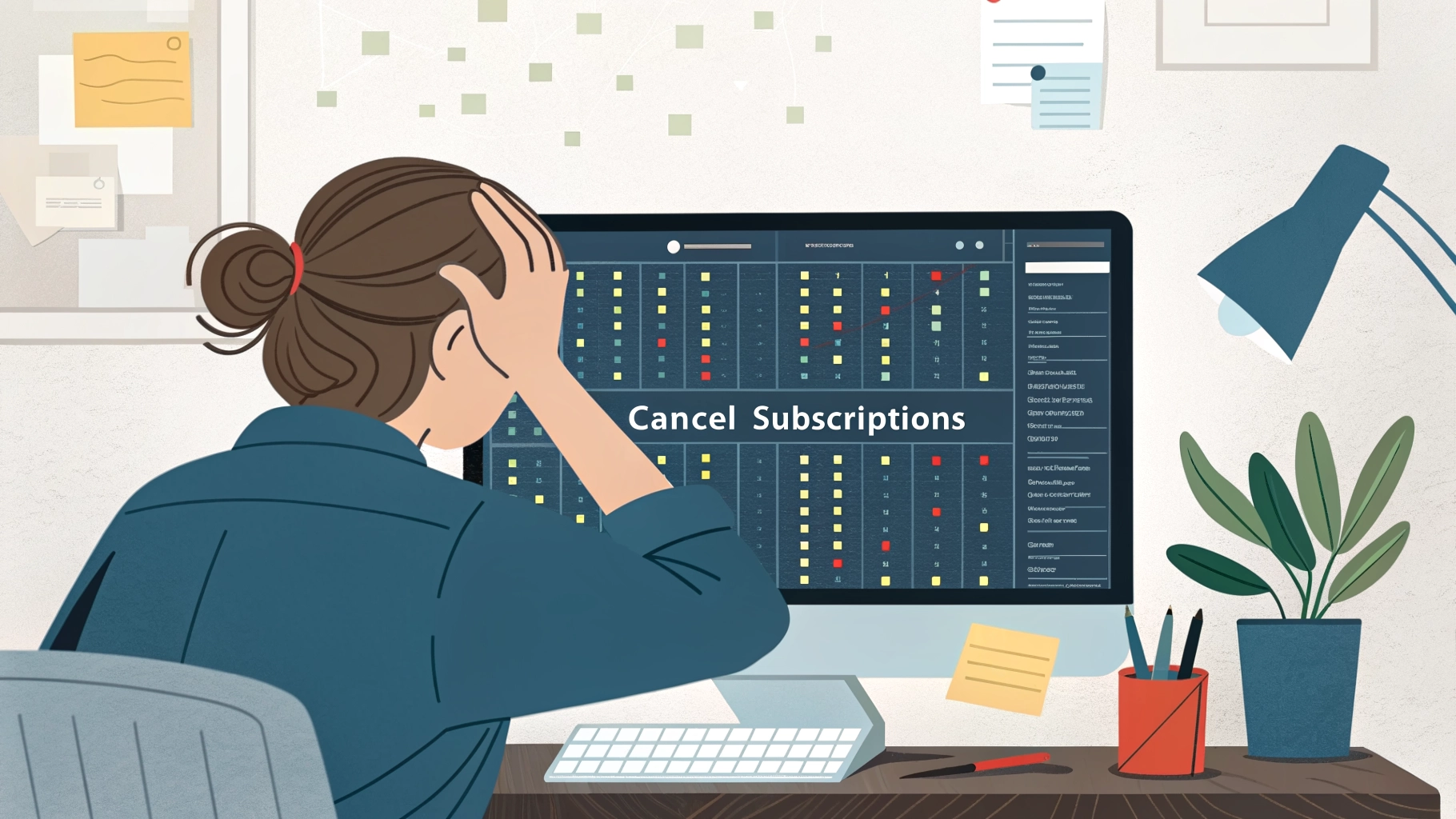
The problem is not the existence of auto-renewal itself. Recurring billing can be convenient when it is transparent. The problem is the imbalance: signing up is one click; canceling often requires multiple steps, buried menus, or customer-service hurdles.
Hidden Options and Fine Print
During signup, the auto-renewal toggle or disclosure is frequently:
- Pre-checked by default
- Written in small, low-contrast text
- Placed at the bottom of a long page or behind a link
- Worded in vague language (“subscription continues until canceled”)
Cancellation pages are rarely as prominent as the “Buy Now” button. Users often report having to search account dashboards, open support tickets, or email a specific address. Some interfaces present guilt-inducing messages or alternative offers designed to keep people subscribed.
These design choices are widely recognized as dark patterns—interface decisions that steer people toward outcomes that favor the company.
Real-World Examples
Adobe
Adobe has become one of the most cited cases. The company faced a U.S. Department of Justice lawsuit in 2024 accusing it of hiding expensive early-cancellation fees in fine print and making the cancellation process unnecessarily difficult. Customers reported dropped support calls, confusing account pages, and continued billing after they believed they had canceled. Adobe later reached a settlement that included payments and commitments to improve transparency, while denying wrongdoing. Annual plans billed monthly still carry significant early-termination fees in many cases after a short initial window.
Bitdefender
Bitdefender subscriptions typically renew automatically. Users can turn off auto-renewal through Bitdefender Central or by emailing a dedicated cancellation address. The company offers a 30-day money-back window for new purchases and renewals in many cases. However, once a charge is processed, refunds are stated to take 10–14 business days (and sometimes longer depending on the payment processor). The money leaves your account almost immediately; getting it back is not equally fast.
IObit
IObit products (system optimizers, uninstallers, malware tools, etc.) frequently use third-party processors such as 2Checkout or Paddle for billing. Auto-renewal is common, and users on forums regularly report unexpected charges. Cancellation often requires logging into the billing provider’s portal rather than the main IObit account. The company advertises a 60-day money-back guarantee under certain conditions, but approved refunds still take roughly 7–10 business days to appear.
In my own case with IObit, the company gave me only a 24-hour reminder notice before the automatic renewal charged my card. After I requested a refund, IObit returned my money a full three weeks later—highlighting just how slowly the process can move once the money has already left your account.
Larger platforms (Google, Meta/Facebook)
Google and Meta also rely on automatic renewal for many subscriptions (YouTube Premium, Google One, Meta Verified, Instagram or Facebook paid features, etc.). Cancellation is generally available in account settings, yet refunds are limited.
Meta’s terms, for example, state that most purchases are non-refundable except where required by law. Charges process quickly; reversals follow the slower timelines of banks and card networks.
These companies are not unique. Similar patterns appear across antivirus vendors, creative-software suites, productivity tools, and cloud services.
The Refund Gap: Instant Charge, Slow Return
When a renewal hits, the payment is authorized and settled in hours or a couple of days. When a customer requests a refund (assuming they still fall inside the company’s policy window), the process typically involves:
- Internal review by the software company
- Instruction to the payment processor
- Processing by the bank or card issuer
The result is frequently 10–14 business days or more before the money reappears—sometimes far longer, as the examples above illustrate. During that period the company holds the funds while the customer has already lost access or decided they no longer want the service.
EU Consumer Protection Laws: A Quick Overview
In the European Union, key protections come from the Consumer Rights Directive (2011/83/EU, as amended), the Unfair Commercial Practices Directive, and the Unfair Contract Terms Directive. Traders must clearly disclose auto-renewal conditions and termination rights before the contract is concluded. Consumers generally have a 14-day right of withdrawal for distance contracts (with limited exceptions for digital content once performance begins with consent). Auto-renewal itself is allowed, but must be transparent; hidden options, pre-checked boxes, or obstructive cancellation can constitute unfair commercial practices or unfair terms. National laws often go further—for example, Germany requires easy “cancellation buttons” and limits fixed-term renewals, while several countries mandate advance renewal reminders. Ongoing work toward a Digital Fairness Act aims to strengthen rules against subscription traps.
UK Consumer Protection Laws: A Quick Overview
In the United Kingdom, the Consumer Rights Act 2015 requires fair and transparent terms, while the Consumer Contracts Regulations 2013 provide a 14-day cooling-off period for most distance contracts and clear information duties. Unfair commercial practices (including many dark patterns) are prohibited. The Digital Markets, Competition and Consumers Act 2024 introduces a dedicated subscription-contracts regime (expected to take full effect in early/spring 2027) that will require prominent pre-contract information, mandatory renewal reminders, straightforward (preferably online) cancellation, and an extra 14-day cooling-off window after trials convert to paid terms or after longer contracts auto-renew. The Competition and Markets Authority has strengthened powers to fine companies that breach these rules.
Why This Persists—and What You Can Do
Automatic renewal is profitable. It reduces the need for customers to make a deliberate repurchase decision every year. Regulatory pressure is growing in both the EU and UK, but enforcement and company practices still vary widely.
Practical steps that help:
- Treat every free trial as a paid subscription from day one. Set a calendar reminder several days before it ends.
- Immediately after purchase, log into the account and turn off auto-renewal if you do not want it.
- Keep order confirmation emails; they often contain the correct cancellation link or billing-provider portal.
- Check statements regularly for unfamiliar software charges.
- When requesting a refund, do so in writing and keep records. Escalate to national consumer authorities or the CMA if delays become unreasonable.
Automatic renewal is not inherently abusive. It becomes a problem when the path in is frictionless and the path out is deliberately obstructed, and when money moves out of a customer’s account far faster than it can move back in. Until clearer rules and better design become the norm, the safest approach remains vigilance: assume the box is checked, assume the fine print matters, and cancel early.
2 personal bad experiences.
Dealing with automatic renewals can be incredibly frustrating, as I recently discovered with IObit. They only sent a reminder notice 24 hours before deducting the payment from my bank account, giving me almost no time to cancel. Although I managed to request a refund, it took a full three weeks before the money was finally returned to me. This short notice period felt unfair and left me feeling rushed and powerless in managing my own finances.
My experience with Sky Internet in the UK has been even more disappointing. After cancelling my contract, I was entitled to a refund of around £70. Yet four months later, I am still waiting for that money to be returned. Despite following their cancellation process correctly, the delay has stretched on with no clear resolution in sight. These situations with both companies have made me much more cautious about automatic renewals and the difficulty of getting refunds once the money has been taken.