Why I Don’t Take Client Calls and I try to avoid that.
As a freelancer, your time and focus are your most valuable assets. Over the years, I’ve noticed something consistent: phone calls and video meetings often drain both. They interrupt deep work, create unnecessary pressure, and leave behind almost no useful record.
I’m happy to communicate clearly and professionally—just not in real time on a call. Email has become my default for almost all client discussions, and it’s made my work more efficient, less stressful, and better documented. Here’s why I strongly prefer email over phone or video calls, and why many freelancers feel the same.
1. You Get a Clear, Searchable Paper Trail
Everything discussed stays in writing: requirements, feedback, scope changes, deadlines, and approvals. You can search an old thread in seconds instead of relying on memory or scrambled notes. If a disagreement ever arises about what was agreed, the email history is there. Phone calls leave almost nothing behind unless you record them (which brings its own legal and practical complications).
2. Communication Becomes Asynchronous
You and the client don’t need to be free at the exact same moment. You reply when you’re in the right headspace and the project has your full attention. The client responds when it suits them. This is especially powerful when working across time zones or juggling multiple projects. No more calendar Tetris or “Can we jump on a quick call?” interruptions.
3. You Can Give More Thoughtful, Precise Answers
Writing gives you time to structure your response, check details, attach references, and avoid the rambling that often happens in live conversation. Complex technical points, design feedback, or contract language come across clearer in a well-organized email with bullet points than in a rushed verbal explanation.
4. You Avoid Phone Tag and Small Talk
Scheduling calls, missing them, rescheduling, waiting for someone to join a video link, and then spending the first few minutes on weather and “How’s your week going?” adds up. Email cuts straight to the point. Attach files, share links, and move the project forward without the overhead.
5. It’s Easier to Organize and Prioritize
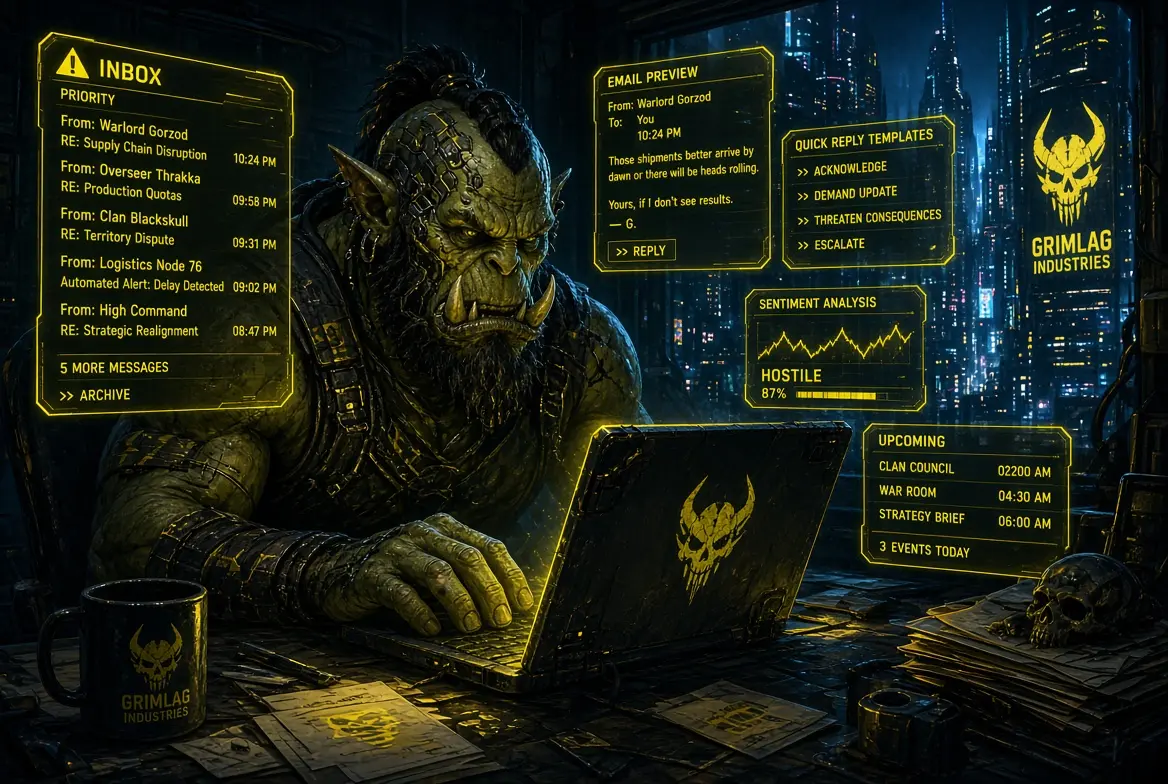
Emails can be labeled, filtered, archived, and answered in order of importance. A sudden phone call pulls you out of whatever you’re doing and creates an expectation of immediate availability. With email, you control the rhythm of communication instead of reacting to it.
6. Stronger Professional Boundaries
You don’t have to share your personal phone number. Clients can’t call at odd hours or turn every small question into a live conversation. Many experienced freelancers simply never give out a phone number and politely decline clients who insist on calls. It protects your focus and personal time.
7. Better for Details, Documents, and Decisions
Contracts, invoices, mockups, specifications, and written approvals belong in email. You can attach files, quote previous messages, and create a permanent record of decisions. Verbal agreements are easy to misremember; written ones are not.
8. It Scales Better as Your Business Grows
When you work with several clients at once, real-time calls become a bottleneck. Email lets you handle multiple conversations in parallel without constant context-switching. Over time, this compounds into hours saved every week—hours you can spend on actual billable work instead of meetings.
I’m not against all spoken communication. A short voice note or a rare, pre-scheduled call for something genuinely complex can still have its place. But as a default, email wins for most freelancers who value focus, clarity, and documentation.
If a prospective client insists that every discussion must happen on a call, that’s often a useful filter. The clients who are comfortable communicating thoughtfully in writing tend to be the ones who respect your process and your time.
Your communication style is part of how you run your business. Choosing email isn’t about being antisocial—it’s about working smarter, protecting your attention, and building clearer, more professional relationships.
What about you? Do you prefer email, calls, or a mix?